Understanding Organic mattress fundamentals
In the realm of sleep, the mattress is not merely a surface but a stage for rest, posture, and overall wellness. A premium organic mattress foregrounds the materials themselves: natural latex that springs back with gentle resilience, organic cotton that breathes and softens, and wool or other natural fillers that regulate temperature without resorting to synthetic crutches. The ethics of sourcing—GOTS, GOLS, and OEKO-TEX certifications—act as backstage passes to transparency. They signal where textiles are grown, how they are processed, and the degree to which environmental and social governance is embedded in production.
When you approach an organic mattress, you are entering a conversation about fibers, foams, springs, and cover fabrics that all speak to a single promise: sleep that feels luxurious without compromising ethics or the Earth’s well-being. A discerning shopper will evaluate not just the surface feel but the chain of materials from seed to sleeper. This is where the language of certifications becomes essential, offering a lexicon for quality and sustainability rather than mere marketing bravado.
A quick-look comparison: core materials and construction styles
In the Gloucester bed ecosystem, a handful of brands consistently rise to the standard of organic integrity and performance. The core materials you’ll encounter fall into two families: coil-based systems and all-latex architectures. Each has its own cadence of support, temperature management, and durability, but the common thread remains organic content and transparent certification.
- Natural latex cores: rebound with buoyant support and predictable pressure relief. Look for natural latex (not synthetic) with certifications that prove moisture management and chemical safety.
- Organic cotton and wool covers: breathable shells that contribute to cooling and comfort, while protecting the interior layers from wear.
- GOTS-certified textiles: ensures that organic fibers are produced to strict environmental and social criteria from field to finished fabric.
- GOLS-certified latex: confirms that latex is derived from sustainably managed sources and manufactured under responsible practices.
- OEKO-TEX: independent testing that every component has met human-ecological safety thresholds.
Beyond certification, a thoughtful purchase considers sleeping position, weight distribution, and temperature preferences. A few brands in the space—those that consistently blend luxury with responsibility—offer tiered firmness levels, regionally tuned comfort layers, and transparent care instructions. This is where the practical becomes poetic: testing in-store with a calm, unhurried approach, or simulating a home trial to observe how your body responds to the surface over time.
How to test a mattress: in-store tips and at-home trials
Testing is not merely about lying down for a moment; it’s about how the surface supports your spine, shoulders, and hips, whether it dissipates motion, and how it handles temperature over a full night. Consider these steps to make your test meaningful:
- Settle into your typical sleeping position for 15–20 minutes to assess conformity and support.
- Evaluate multiple firmness options. A “firm” label is often a guide; your personal balance between contour and support matters more.
- Assess motion isolation by gently rolling onto the mattress while your partner stays still, or by simulating movement scenarios.
- Inspect temperature regulation. Natural fibers and breathable cores tend to be cooler than dense foams; check whether the top layer wicks heat efficiently.
- Review care instructions. Premium organic materials deserve careful handling to maintain performance and longevity.
Brands to know: trusted names in Gloucester’s organic mattress landscape
While this guide remains independent and non-promotional, it’s useful to note brands that frequently surface in editorial discussions of organic luxury. These names are cited here to inform your literacy around the category, not to append a sales narrative. Each one emphasizes natural materials, rigorous certifications, and a design philosophy that honors both comfort and conscience.
- Vispring Opulence Mattress: a benchmark in natural fillings and hand craftsmanship, layering cashmere, alpaca, bamboo, mulberry silk, and Shetland wool within a premium pocket-spring architecture. The result is a sleep surface that feels both soft and thermally precise, with a whisper of decadence that remains grounded in enduring materials.
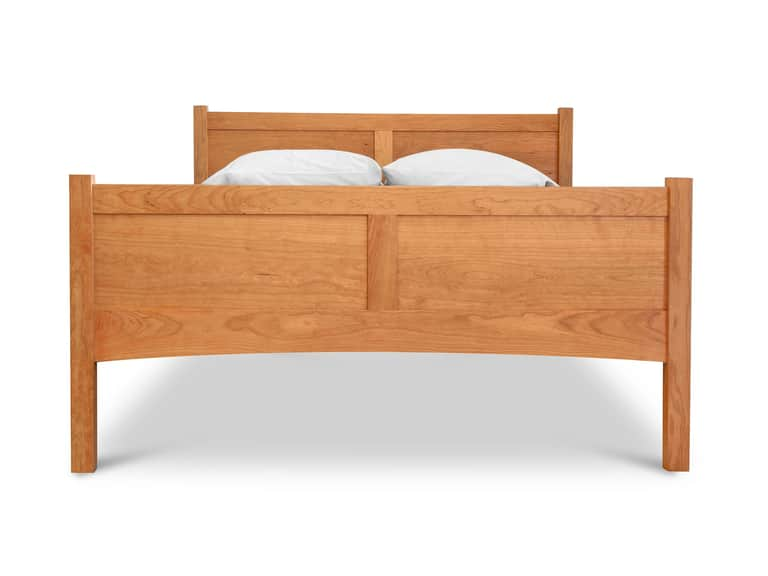
- Essex High Footboard Bed collection: while primarily a bed frame, it anchors a room that embraces sustainable wood and low-VOC finishes, underscoring the holistic approach to a luxury sleeping environment.
- GOTS and GOLS-forward brands with latex, cotton, and wool compositions: these lines prioritize traceable supply chains, fair labor practices, and explicit environmental standards across the product lifecycle.
For readers of Gloucester Today, the nuance is in not just the surface feel but the provenance of every fiber and spring. The right mattress is not a solitary indulgence; it’s the foundation of a nightly ritual that can influence mood, focus, and energy across the day. That is the Vogue-grade truth of premium organic sleep: small choices that compound into an extraordinary life every morning.
Key individuals shaping sleep philosophy across eras
In this section, we invite three pivotal figures from different time periods who have influenced how the world thinks about comfort, material culture, and restorative rest. Each figure offers a lens into how we perceive mattresses, sleep science, and the rituals of retreat that define a refined lifestyle.
1) Cleopatra of Comfort (circa 30 BCE)
Ancient patron of textiles and sensory luxury
Though Cleopatra’s era predates modern organics, her legend embodies the value of lavish textiles, fragrant oils, and meticulous attention to surface beauty. Her bedchamber was described as a site where textiles, aromas, and ritual could transform sleep into an event. In a contemporary glossary, Cleopatra serves as a symbol for choosing fabrics that caress the body, materials that breathe, and the idea that sleep can be a consciously curated experience rather than a banal necessity.
2) Queen Victoria (1837–1901)
Victorian era standard-bearer for craftsmanship and comfort
Victoria’s era elevated the bed as a central piece in the home, with a surge in upholstery and careful attention to materials and construction. The modern mattress lineage, with springs and layered fibers, owes much to an ethic of durable, well-made furniture. Today’s organic mattresses carry that legacy forward by prioritizing sustainable materials, intricate craftsmanship, and a respect for the sleeper as an individual with unique needs.
3) Dr. Maria Montessori (1870–1952)
Pioneer of hands-on learning and evidence-based environments
Montessori’s emphasis on sensory-driven, age-appropriate environments reverberates with modern sleep science. In the context of organic mattresses, her ethos translates to the idea that a sleep space should be tailored to the individual, with materials and adaptiveness that support a child's early development and an adult’s lifelong comfort. The educational thread here is a reminder that bedding is not merely decorative; it mediates how bodies rest, recover, and learn each day.
A curated decision path
Choosing a premium organic mattress is a nuanced journey that intertwines material science, ethics, and personal comfort. Start with certifications as your compass, then compare core materials and supports, and finally test with intention—whether in-store or through a thoughtfully structured home trial. The goal is to uncover a surface that feels indulgent, aligns with your sleep posture, and honors the planet without compromise.